At Corona Family Dental, our approach to restorative care blends modern materials with thoughtful, individualized treatment planning. We believe every crown should do more than patch a tooth — it should restore strength, preserve long-term health, and fit naturally into the way you smile and chew. Our goal is to help patients make informed choices about ceramic crowns so they leave the office confident in both appearance and function.
Even though tooth enamel is the hardest substance in the body, teeth still face wear, decay, and injury over time. There are many situations where a filling is appropriate, but when a tooth has lost substantial structure — from fractures, large cavities, root canal therapy, or chronic grinding — a full-coverage restoration is often the more reliable option. Ceramic crowns rebuild the tooth’s shape and protect it against further damage while restoring its natural contours.
Advances in dental ceramics have changed what crowns can do. Modern all-ceramic restorations can be exceptionally strong, biocompatible, and lifelike in appearance. Throughout this page we’ll explain when a crown is recommended, the benefits of ceramic materials, how different ceramics compare, what to expect during treatment, and why our practice focuses on quality and long-term results.
A crown is a full-coverage restoration designed to encapsulate the visible portion of a tooth. Dentists recommend crowns when the remaining tooth structure cannot reliably support a filling or when the tooth requires reinforcement to withstand normal chewing forces. This makes crowns a common choice after significant trauma, when a very large filling fails, or following root canal therapy.
Crowns are also used to anchor dental bridges or to complete restorations placed on implants. For teeth that are misshapen, severely discolored, or improperly proportioned for the smile, a crown can deliver both cosmetic improvement and structural support. The decision to place a crown is always based on preserving function and minimizing future complications.
Deciding whether a crown is needed involves a careful examination of tooth integrity, bite dynamics, and aesthetic goals. We assess the remaining tooth structure, consider opposing tooth wear, and review any parafunctional habits like clenching or grinding. These factors help us choose a restoration that balances durability with a natural look.
To rebuild a tooth with extensive structural loss from decay or fracture
To replace a large or failing dental filling where a filling alone won’t hold
To restore a dental implant with a durable, natural-looking crown
To provide support for teeth that serve as abutments for a dental bridge
To strengthen and protect a tooth after root canal therapy
To enhance the appearance of a tooth that is undersized, misshapen, or discolored
To address bite or occlusal issues that compromise function

All-ceramic crowns are made without metal frameworks, which gives them several advantages. Their optical properties closely mimic natural enamel, so they reflect and transmit light in a way that produces a lifelike translucency and depth. This makes them an excellent choice for visible teeth where aesthetics are a priority.
Because ceramic crowns can be manufactured to be thinner than metal-based alternatives, they often require less removal of the remaining tooth structure. Preserving tooth structure is a key principle in restorative dentistry — the more natural tooth conserved, the better the long-term prognosis for that tooth.
Ceramics are also biocompatible and resistant to staining, and they eliminate concerns about metal sensitivity or an unsightly dark margin near the gumline. For patients who want a restorative option that feels natural and integrates smoothly with surrounding teeth and soft tissues, ceramic crowns provide a compelling combination of appearance and performance.
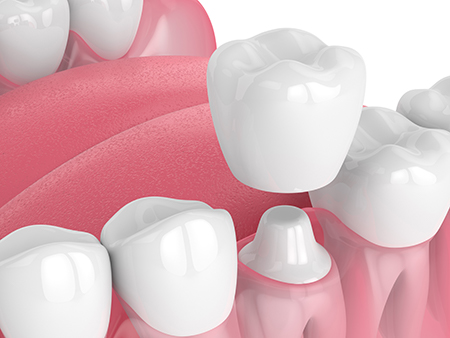
Not all ceramics are the same. Different ceramic systems balance strength and translucency in unique ways, which influences where they are best used in the mouth. For front teeth, more translucent ceramics provide superior aesthetics; for molars, denser ceramics or zirconia offer greater resistance to chewing forces.
Common options include lithium disilicate, which combines attractive aesthetics with good strength; pressable, leucite-reinforced porcelains that are highly esthetic for veneers and anterior crowns; and zirconia, which can be used in monolithic form for excellent durability or layered with porcelain to improve appearance. High-translucency zirconia now offers a middle ground between beauty and power for many clinical situations.
Selecting the right material depends on the tooth’s location, the patient’s bite, and specific cosmetic goals. We evaluate the functional demands on the restoration, the shade and translucency of adjacent teeth, and any history of wear or parafunction to recommend the material that best meets both aesthetic and mechanical needs.

The crown process begins with a comprehensive exam and diagnostic images to evaluate the tooth and surrounding structures. If a crown is the recommended solution, we discuss the material choices, how the crown will address functional concerns, and what aesthetic outcomes you can expect. When applicable, we also address preparatory work, such as core buildup or treatment of decay before crown placement.
In many practices, crowns are completed over two visits: tooth preparation and impression or digital scan, followed by final placement. During preparation we shape the tooth to receive the restoration while preserving as much healthy structure as possible. Modern digital impression techniques and CAD/CAM milling can streamline this process and improve accuracy in fit and shade matching.
At the second appointment the crown is seated and adjusted so that bite and contacts feel natural. We’ll review home care strategies to protect the restoration and the surrounding teeth — including guidance on managing grinding or clenching if those habits contributed to the original damage. Regular exams and cleanings help monitor the crown and maintain overall oral health.
Our practice combines technical skill with an emphasis on personalized care. We prioritize thorough treatment planning, using modern materials and digital tools to achieve outcomes that are durable, comfortable, and visually pleasing. Each restoration is selected with the patient’s long-term oral health and cosmetic priorities in mind.
We take the time to explain options and set realistic expectations so patients understand the tradeoffs between strength and translucency, and how those choices affect longevity and appearance. This collaborative approach helps patients make confident decisions that align with their lifestyle and goals.
At Corona Family Dental, we focus on delivering restorative solutions that respect both form and function. Whether you need a single crown to protect a tooth after root canal therapy or multiple restorations to harmonize your smile, our team is committed to thoughtful, evidence-based care.
Summary: Ceramic crowns are a versatile and reliable way to restore damaged teeth while maintaining a natural appearance. If you’d like to learn whether a ceramic crown is right for your smile, please contact us for more information and to schedule a consultation.

Ceramic crowns are full-coverage restorations fabricated entirely from dental ceramic materials to replace the visible portion of a damaged or weakened tooth. Unlike porcelain-fused-to-metal crowns, all-ceramic restorations do not have a metal substructure, which eliminates dark margins near the gumline and improves natural light transmission. Their optical properties more closely mimic enamel, making them a preferred option when achieving a lifelike appearance is important.
Different ceramic systems balance translucency and strength in different ways, so they are selected based on the tooth's role in the mouth. For example, more translucent ceramics are often used for front teeth, while denser ceramics like zirconia are chosen where chewing forces are greater. The choice of material influences both the aesthetic outcome and the mechanical performance of the crown.
A ceramic crown is typically recommended when a tooth has lost substantial structure due to fracture, large decay, or repeated restoration failure such that a filling cannot reliably restore form and function. Crowns are also commonly placed after root canal therapy to reinforce the remaining tooth and protect it from further damage. The decision is driven by the need to restore strength, preserve remaining tooth structure, and reduce the risk of future complications.
Other clinical situations that favor a crown include serving as an abutment for a bridge or restoring a dental implant, and improving the proportion or color of a tooth that cannot be corrected with conservative treatments. Your clinician will evaluate the tooth’s integrity, bite dynamics, and any parafunctional habits to determine whether a crown offers a more predictable long-term outcome than a filling. This assessment aims to balance durability with minimally invasive care whenever possible.
Common ceramic options include lithium disilicate, pressable leucite-reinforced porcelains, and zirconia, each offering distinct combinations of strength and translucency. Lithium disilicate provides a strong, esthetic option that works well for many anterior and some posterior restorations, while pressable porcelains excel in highly esthetic anterior cases. Zirconia is known for exceptional durability and can be used in monolithic form for high-strength posterior crowns or layered for improved appearance.
High-translucency zirconia and contemporary ceramic systems offer intermediate choices that aim to blend beauty and mechanical performance. Material selection depends on the tooth’s location, the patient’s bite and parafunctional habits, and the shade and translucency of adjacent teeth. A careful evaluation permits a tailored recommendation that addresses both cosmetic goals and functional demands.
The crown process begins with a comprehensive exam and diagnostic imaging to assess the tooth and surrounding structures, followed by discussion of material options and preparatory treatment if needed. Tooth preparation involves reshaping the visible portion of the tooth to create space for the restoration while preserving as much healthy tooth as possible, then taking either a digital scan or a traditional impression. Temporary protection may be provided while the laboratory fabricates the final crown, unless the office uses in-house CAD/CAM technology that enables same-day fabrication.
At the placement appointment the dentist tries in the final restoration, adjusts occlusion and interproximal contacts, and cements or bonds the crown into place so it functions comfortably with adjacent teeth. The team will review home care recommendations and discuss any necessary strategies to manage grinding or clenching that could affect the restoration. Follow-up visits ensure the crown is performing well and that surrounding tissues remain healthy.
Yes, ceramic crowns can be used on both anterior and posterior teeth, but the choice of ceramic material is tailored to the tooth’s position and functional demands. Highly translucent ceramics are often chosen for visible front teeth to achieve a natural appearance, while stronger ceramics such as zirconia are commonly used for molars where masticatory forces are greater. In many cases a layered approach or modern high-translucency zirconia provides a balance of strength and esthetics across different regions of the mouth.
The dentist evaluates the bite, the degree of wear, and any history of parafunction to determine the most appropriate material for each tooth. Proper material selection and precise laboratory or CAD/CAM fabrication help ensure the restoration meets both cosmetic and mechanical requirements. When indicated, additional protective measures such as occlusal guards can be recommended to extend the life of posterior ceramic restorations.
Ceramic crowns are durable restorations designed to withstand normal chewing forces, and many last for many years with proper care and maintenance. Longevity depends on factors such as the ceramic material chosen, the quality of tooth preparation and fit, the patient’s oral hygiene, and habits like grinding or chewing hard objects. While ceramics resist staining and are biocompatible, no restoration is immune to wear or fracture under excessive load.
Regular dental exams and hygiene appointments allow your dentist to monitor the crown’s condition and the health of adjacent teeth and gums. Addressing underlying issues such as bite misalignment or bruxism can significantly improve the crown’s lifespan. If concerns arise, early evaluation helps identify and correct problems before more extensive treatment is needed.
Caring for a ceramic crown centers on excellent daily oral hygiene: brush twice a day with a soft-bristled toothbrush, floss daily, and use any additional aids your dentist recommends to clean around the restoration. Avoid using the crowned tooth to bite very hard objects like ice or shell, and minimize habits that place excessive lateral forces on the restoration. Maintaining healthy gums is equally important, because periodontal disease around a crown can compromise the tooth’s long-term prognosis.
Regular professional cleanings and dental examinations help detect early signs of wear, marginal breakdown, or recurrent decay at the crown margins. If you have a history of grinding or clenching, ask about a custom night guard to protect the crown and surrounding teeth. Promptly reporting sensitivity, looseness, or changes in bite allows timely care and often prevents more complex interventions.
Ceramic materials are generally biocompatible and well tolerated by most patients, and they eliminate concerns about metal sensitivity associated with some metal-containing restorations. Because ceramics do not corrode and resist staining, they typically integrate well with soft tissues when margins are properly placed and oral hygiene is maintained. Allergenic reactions to pure ceramic materials are extremely rare compared with metal-based alternatives.
Healthy gum response depends on correct crown contours and precise margin placement, so skilled planning and fabrication are important to avoid inflammation or food traps. Routine periodontal care and attention to oral hygiene help preserve a healthy tissue interface around the restoration. If you have a known material sensitivity, discuss it with your dentist so they can choose the most appropriate option.
Ceramic crowns are commonly used to restore both implant-supported abutments and teeth following root canal therapy, providing a natural appearance and functional durability. For implant restorations the crown is attached to a custom abutment and designed to fit precisely with surrounding tissues, while crowns on endodontically treated teeth often include a core buildup if significant structure is missing. In both scenarios careful planning and accurate impressions or digital scans are essential for proper fit and occlusion.
When restoring an implant, material selection and occlusal design are tailored to the implant location and anticipated forces to minimize risk of fracture or loosening. For root canal–treated teeth, the crown helps protect the remaining tooth structure and reduce fracture risk during function. Your dentist will review the steps needed to prepare the tooth or implant site and explain how the chosen restoration supports long-term success.
At Corona Family Dental our team emphasizes thorough treatment planning, modern materials, and digital workflows to achieve restorations that prioritize both function and appearance. We evaluate each case individually, considering bite dynamics, material options, and aesthetic goals to recommend a restoration that aligns with the patient’s long-term oral health. Our approach combines evidence-based techniques with careful communication so patients understand the rationale behind material and design choices.
The practice uses digital impression technology and works with skilled dental laboratories or in-house CAD/CAM systems to improve fit and shade matching, and we review home care and protective strategies to support restoration longevity. Follow-up care and routine exams allow us to monitor the crown and address concerns early, helping maintain comfort and performance over time. If you have questions about whether a ceramic crown is the right option for your tooth, schedule a consultation to review your individual needs and treatment plan.
Quick Links
Locations