Teeth are hardy, but decay can undermine enamel and dentin in ways that routine cleaning alone cannot repair. When a cavity forms, removing the damaged tooth structure and restoring the area with a durable filling prevents further breakdown and helps the tooth retain its strength and function. Fillings are one of the most common restorative treatments because they address problems early and preserve the natural tooth whenever possible.
Modern dentistry emphasizes conservative care: rather than replacing large portions of a tooth, we remove only the decayed tissue and rebuild what’s necessary. That approach reduces the need for more invasive treatments down the road and helps maintain your bite and chewing comfort. Early intervention often means a simpler appointment and a more predictable long-term outcome.
At Corona Family Dental we evaluate each situation on its own merits, balancing preservation of healthy tooth structure with a secure, long-lasting restoration. Our goal is to restore normal form and function while keeping the experience straightforward and minimally disruptive to your daily life.
Composite resin—the material commonly used for tooth-colored fillings—combines durability with excellent cosmetic results. These resin materials are shaded to blend with surrounding teeth, so restorations are discreet and maintain a natural-looking smile. Because composites bond to the tooth structure, they act as both repair and reinforcement, helping to stabilize teeth that have been weakened by decay.
Unlike older metallic restorations, composite fillings do not contain mercury and avoid the visual contrast associated with silver-colored materials. The adhesive bond created between composite and enamel or dentin also allows us to remove less healthy tissue during preparation, supporting a more conservative restoration that preserves your natural tooth for as long as possible.
Beyond appearance, today's composite systems are formulated for clinical performance—resisting wear, standing up to chewing forces, and providing a tight seal against bacterial infiltration when placed correctly. We select materials and techniques based on the location of the cavity, the condition of the tooth, and your individual needs to achieve a reliable, long-term result.
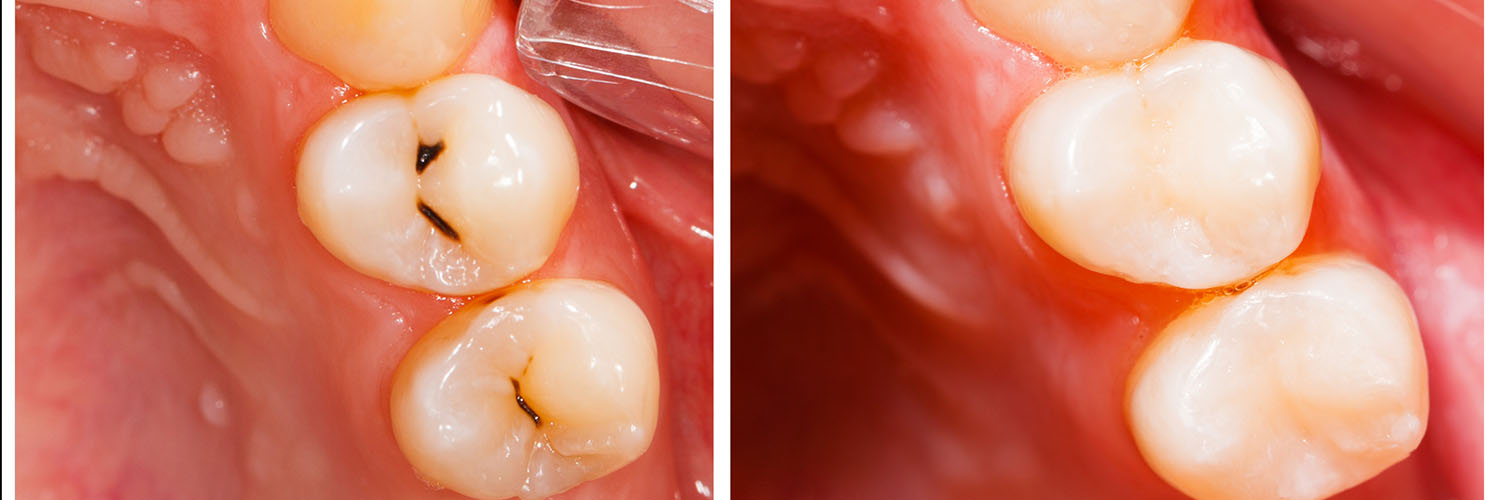
A filling appointment is typically straightforward and can often be completed in a single visit. After a thorough exam and any necessary X-rays, the tooth is numbed with local anesthesia to ensure comfort. We then remove the decayed material with precise instruments, taking care to conserve as much healthy tooth structure as possible.
Composite is applied in layers, each one contoured to restore the tooth’s natural shape before being hardened with a curing light. This layered technique allows the clinician to recreate the tooth’s anatomy and occlusion so the restoration functions comfortably with your bite. Final shaping and polishing refine the surface for a smooth, natural finish that resists staining and plaque buildup.
Throughout the procedure, we prioritize clear communication and gentle technique. If you have concerns about sensitivity or dental anxiety, we discuss options beforehand so you feel informed and relaxed during treatment. The predictable workflow and modern materials used today allow for efficient appointments with excellent cosmetic and functional outcomes.
Patient comfort is a central part of delivering quality care. Local anesthesia effectively prevents pain during the procedure, and our team monitors your comfort throughout the appointment. For patients who experience dental anxiety or require additional relaxation, professional sedation options are available and can be discussed during your consultation so the treatment experience is less stressful.
Infection control and material safety are also key considerations. We follow strict sterilization protocols and use tested dental materials from reputable manufacturers. If you have metal sensitivities, allergies, or specific medical concerns, let us know—this information guides our choice of restorative materials and procedural steps to keep treatment safe and appropriate for your health history.
We also make time to explain aftercare and what to expect once the anesthesia wears off, including normal sensations and signs that would warrant a follow-up. Clear instructions and an accessible care team help patients feel confident about their recovery and the longevity of their restoration.
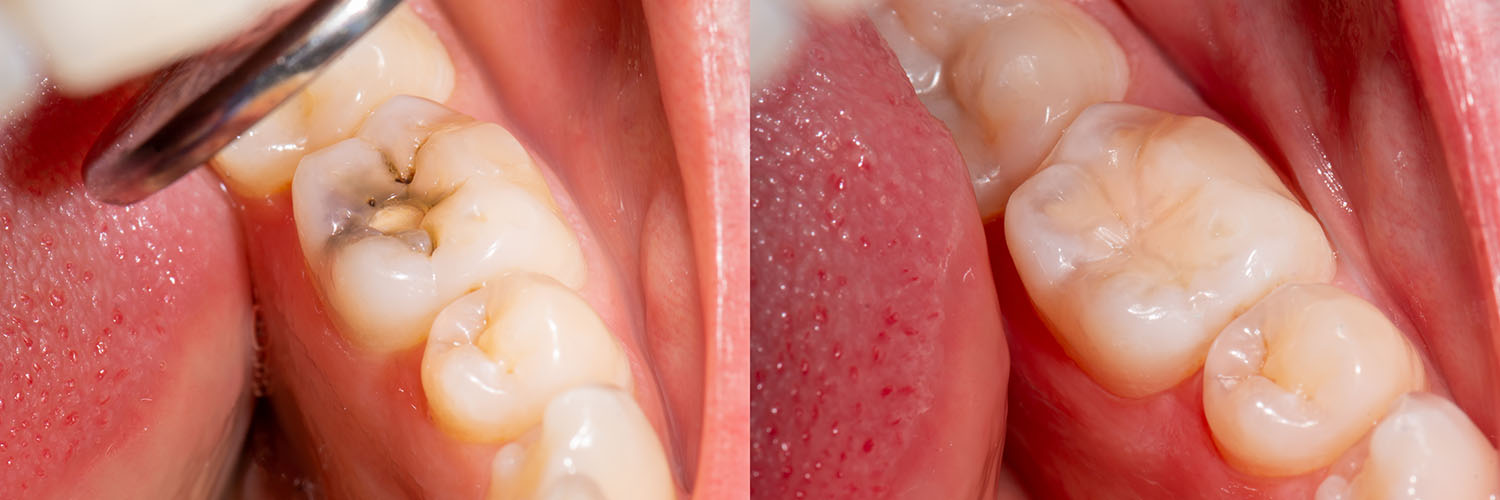
After a filling, temporary sensitivity to hot or cold is common and usually resolves over a few days as the tooth adjusts. Avoid biting on very hard foods with the newly restored tooth until you’re comfortable, and let us know if you notice persistent pain, a feeling that the bite is uneven, or any rough spots—the team can make quick adjustments to improve fit and comfort.
Long-term success depends on maintaining good oral hygiene and regular dental checkups. Daily brushing and flossing minimize the risk of recurrent decay at the margins of a filling, and periodic examinations allow us to monitor restorations for wear or breakdown before they become problems that require more extensive treatment.
While modern composites are durable, no restoration lasts indefinitely. Factors such as grinding, high bite forces, or large restorations may eventually call for replacement or alternative approaches. Routine visits make it easier to identify changes early and plan appropriate care that preserves your natural teeth whenever possible.
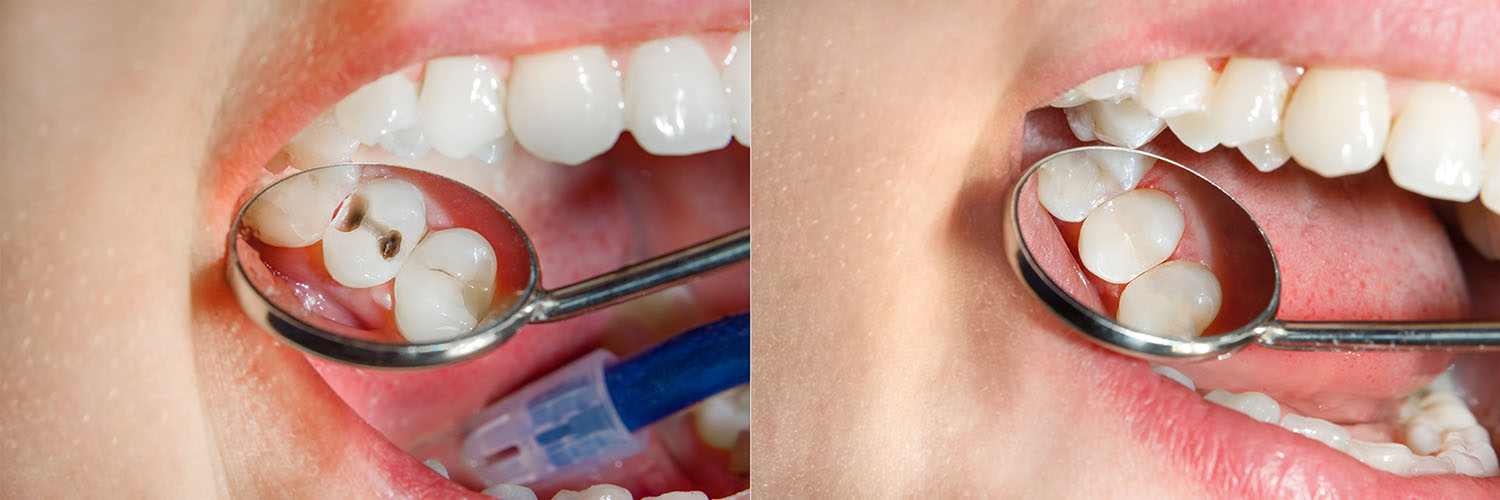
Restoring a decayed tooth with a carefully placed, tooth-colored filling protects your oral health while keeping your smile looking natural. If you have questions about treatment options or what to expect during a filling appointment, our team is ready to help.
In summary, tooth-colored fillings offer a conservative, attractive solution for repairing cavities and preserving tooth function. Our team at Corona Family Dental focuses on gentle treatment, material choice, and clear post-care guidance so your restoration lasts as long as possible. Contact us for more information about fillings or to discuss the best option for your situation.

Dental fillings are restorations placed to repair teeth damaged by decay or minor fracture. They restore the tooth’s shape and function while sealing the site to prevent further bacterial entry. When placed early, fillings preserve healthy tooth structure and reduce the need for more invasive treatments.
Fillings are one of the most common restorative procedures and can be completed in a single appointment in many cases. The procedure focuses on removing decayed tissue and rebuilding the tooth so it can withstand normal chewing forces. Modern techniques emphasize conservative preparation to maintain long-term tooth health.
The most common tooth-colored material is composite resin, which is a blend of plastic and glass particles formulated to match natural tooth shades. Composites bond to the tooth structure, providing both repair and reinforcement that helps stabilize weakened areas. These materials are designed for strength, wear resistance, and a lifelike appearance that avoids the visual contrast of older metallic restorations.
Composite systems have evolved to resist staining and provide a reliable seal when placed correctly, and they can be used for small to moderate cavities. Material selection depends on the location of the cavity, the size of the restoration, and the patient’s bite dynamics. Clinicians also consider any metal sensitivities or medical concerns when recommending a restorative material.
A typical filling visit begins with an exam and any necessary X-rays to evaluate the extent of decay, followed by local anesthesia to ensure comfort. The dentist removes the decayed tissue with precise instruments and prepares the cavity while conserving as much healthy tooth as possible. Composite is then placed in layers, each contoured and cured to recreate the tooth’s anatomy.
After shaping, the restoration is polished to create a smooth surface that resists plaque buildup and blends with adjacent teeth. The clinician checks your bite and makes any minor adjustments so the restoration functions comfortably with chewing forces. The whole process is designed to be efficient and predictable using modern materials and techniques.
Local anesthesia typically prevents pain during the procedure, and most patients experience little or no discomfort while the restoration is placed. Some people feel pressure or vibration during treatment, but the numbing agents make the experience manageable. If anxiety or sensitivity is a concern, staff can discuss additional relaxation options before the appointment.
After the anesthesia wears off, mild sensitivity to hot or cold is common and usually resolves within a few days as the tooth adjusts. Persistent or severe pain, a feeling that the bite is uneven, or prolonged sensitivity should be reported so the team can evaluate and make any necessary adjustments. Clear communication about sensations after treatment helps ensure a comfortable recovery.
Good oral hygiene is the foundation of long-term success for any filling; brush twice daily with fluoride toothpaste and floss once a day to minimize recurrent decay at restoration margins. Avoid chewing very hard foods on the newly restored tooth until you feel comfortable, and return for follow-up if you notice rough spots or bite issues. Routine dental exams and professional cleanings allow the team to monitor fillings and detect early wear or breakdown.
If you grind or clench your teeth, discuss protective options such as a night guard to reduce excessive forces that can shorten a filling’s lifespan. Sensitivity that persists beyond a week or signs of fracture or leakage warrant a prompt evaluation. Early attention to small concerns helps preserve the natural tooth and avoid more extensive treatment later.
The lifespan of a filling varies with the material, the size and location of the restoration, oral hygiene habits, and individual bite forces. Composite fillings can last many years when properly placed and maintained, but factors such as grinding, large restorations, and poor hygiene may shorten their service life. Regular dental checkups make it easier to identify wear or marginal breakdown early.
When a filling shows signs of wear, recurrent decay, or fracture, the clinician will recommend an appropriate solution to protect the tooth. In some cases, a larger restoration such as an onlay or crown may be a more durable long-term option. Ongoing preventive care and protective appliances can help maximize the longevity of restorations.
Warning signs that a filling may need attention include persistent or worsening sensitivity, pain when biting, a feeling that the bite is uneven, or the detection of a rough or loose edge. Darkening or staining around the margin can suggest recurrent decay, and visible cracks or chips indicate structural problems. Any unusual or persistent symptoms should prompt a dental evaluation so the cause can be identified promptly.
During routine examinations the dentist inspects restorations for wear, marginal integrity, and occlusal changes that could compromise function. Small adjustments can often resolve bite issues, while replacement may be necessary for recurrent decay or fractured restorations. Timely care reduces the risk of needing more invasive treatment later on.
Tooth-colored composite fillings do not contain metals and are often the preferred choice for patients with metal sensitivities or who wish to avoid metallic restorations. The materials used are biocompatible when selected and handled according to manufacturer guidelines, and clinicians take a patient’s medical history into account when recommending restoratives. If you have known allergies or sensitivities, inform the dental team so they can choose appropriate materials.
For patients with specific material concerns, there are alternative restorative options and protocols that minimize exposure to suspect substances. Discussion of your health history and a clear treatment plan help ensure a safe and suitable restoration. Documentation of any reactions and follow-up care supports ongoing oral health and comfort.
Yes; addressing decay early with a properly placed filling often prevents progression of disease that could otherwise require root canal therapy, crowns, or extraction. The conservative approach—removing only decayed tissue and restoring the tooth—preserves natural tooth structure and maintains strength and function. Regular exams and prompt treatment of small cavities support predictable, less invasive care.
When decay is detected and treated promptly, the appointment is typically simpler and the long-term prognosis is more favorable. Delayed treatment increases the risk of deeper infection and structural compromise that may call for more complex restorations. Proactive preventive care and early intervention remain the most effective strategies for preserving teeth.
The decision depends on the size and location of the defect, the amount of remaining healthy tooth structure, functional demands, and long-term prognosis. Small to moderate cavities with adequate supporting tooth often respond well to composite fillings, while larger defects or teeth weakened by extensive decay may benefit from an onlay or crown for added protection. The clinician evaluates radiographs, occlusion, and tooth vitality to determine the most conservative and durable option.
Patient-specific factors such as grinding habits, previous restoration history, and aesthetic goals also influence the recommendation. The dentist discusses the benefits and limitations of each approach so you understand the rationale for the proposed treatment. When appropriate, conservative restorations are prioritized to preserve natural tooth tissue while ensuring reliable function.
Quick Links
Locations