Invisalign® offers a discreet, modern alternative to traditional braces, using a series of nearly invisible aligners to guide teeth into healthier, more balanced positions. This approach blends proven orthodontic principles with digital planning so patients can pursue alignment without disrupting work, school, or daily routines. For many adults and teens, Invisalign® is an appealing option because it keeps life looking and feeling normal while meaningful tooth movement takes place.
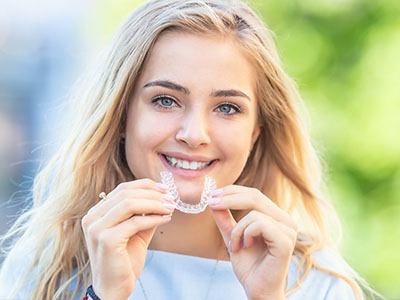
Invisalign® for Teens

Invisalign® for Brides

Invisalign® for Travelers
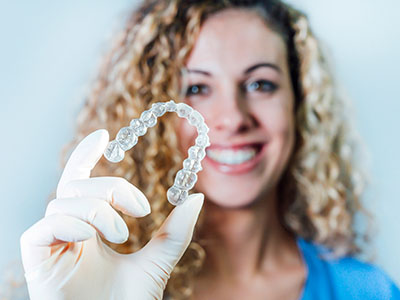
Before & After Photos
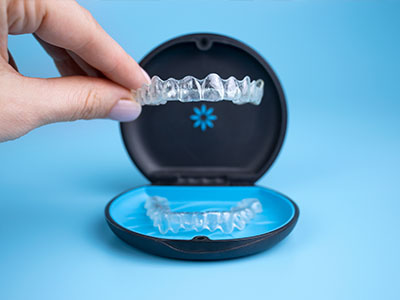
Invisalign® Videos
FAQs
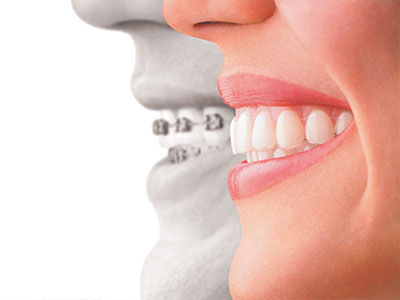
Invisalign® vs Braces
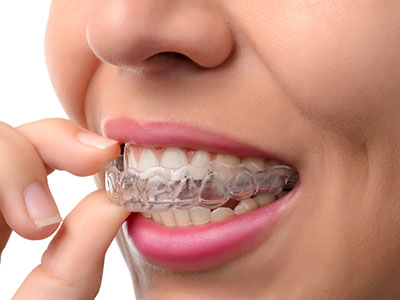
Invisalign® vs Direct-To-Consumer Aligners
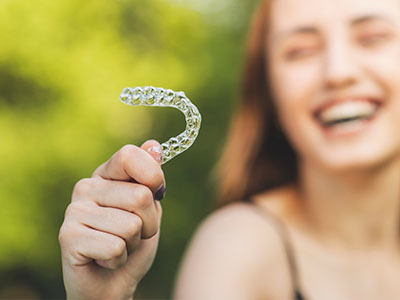
Is Invisalign® Right For Me?

Invisalign® Costs
The system relies on digital imaging and a custom series of clear trays that apply gentle, timed forces to teeth. Your clinician maps out each stage of movement in advance, then manufactures aligners that translate that digital plan into physical steps. Because each aligner is worn for a prescribed period before swapping to the next, the process is gradual and closely controlled.
Technology plays an important role: high-resolution scans and software simulate the entire course of treatment before a single tray is produced. That visibility helps clinicians anticipate how teeth will respond and make refinements to deliver consistent results. The result is a treatment pathway that balances efficiency with the predictability clinicians rely on for healthy outcomes.
Because the aligners are removable, oral hygiene is simpler than with fixed appliances. Patients can maintain normal brushing and flossing routines and continue to eat the foods they enjoy, which supports better oral health throughout treatment. For many people, this combination of clinical control and everyday convenience explains why Invisalign® remains a popular choice.
Align Technology gathers extensive treatment data to refine aligner design and predictability, which supports a broad range of tooth movements from crowding and spacing to many bite issues. This iterative knowledge base helps clinicians use the system more effectively across diverse patient needs.
When paired with a thoughtful treatment plan, the aligners give doctors precise control over individual tooth movements. Attachments, where needed, and elastic auxiliaries can expand what clear aligners can accomplish, enabling solutions for more complex cases than many people assume.
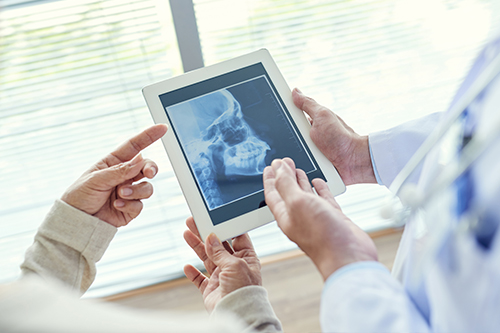
Every Invisalign® journey starts with a careful assessment. During the first visit, your clinician evaluates tooth alignment, bite relationships, and the health of gums and supporting structures to determine whether aligner therapy is an appropriate option.
A digital scan replaces traditional impressions in most cases, creating a precise 3-D model of your teeth. These scans are fast, comfortable, and reduce the chance of inaccuracies that can delay treatment. The scan also allows you to see a simulation of potential results before any aligners are made.
Beyond the scan, your provider will discuss functional goals and cosmetic preferences so the plan addresses how you want your smile to look and function. Establishing clear expectations up front helps the clinical team design an efficient, long-term solution tailored to you.
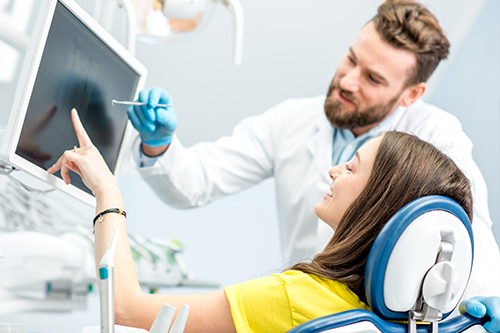
Once diagnostic records are complete, your clinician builds a step-by-step treatment plan. This plan defines the sequence of tooth movements needed to reach the desired alignment. Each phase is simulated so the team can optimize timing, attachments, and any auxiliaries that might be necessary.
The planning process balances movement efficiency with biological limits—teeth move best when guided by a thoughtful progression rather than rushed corrections. Clinicians consider the whole mouth, including how upper and lower teeth meet, to ensure the final result supports comfortable chewing and long-term stability.
Before production begins, you’ll review the plan and see a visual preview of expected changes. That preview helps patients understand the timeline and the milestones they’ll reach, creating a shared roadmap for treatment success.
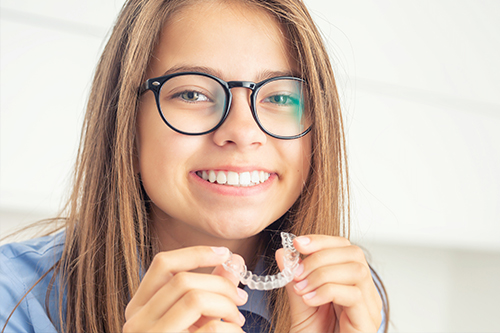
Each set of aligners is fabricated from clear, medical-grade materials and trimmed to match your gumline for comfort. The manufacturing process translates a clinician’s digital prescription into a physical appliance, with each tray representing one step in the programmed sequence.
Attachments—small tooth-colored shapes bonded to specific teeth—may be used to give the aligner more purchase when a particular rotation or translation is needed. These attachments are planned in the digital workflow so they appear only where necessary, minimizing visual impact while improving control.
At your fitting appointment, the team ensures aligners seat properly and reviews wear-time expectations, hygiene guidance, and how to handle everyday care. Proper fit and patient adherence are the two most important factors for predictable progress.

Starting treatment usually involves wearing each aligner for a prescribed period and switching to the next tray as directed. Regular check-ins with your clinician monitor progress and allow for adjustments or refinements if teeth are not tracking as planned. This follow-up care is part of achieving a stable, lasting outcome.
Because aligners are removable, patients retain full access to normal oral hygiene and can continue routine dental care throughout treatment. Maintaining gum health and avoiding cavities during alignment supports both comfort and the long-term results of orthodontic work.
Once active movement is complete, your clinician will discuss retention options—often a retainer worn nightly—to preserve alignment. Clear planning for retention is a key step in ensuring the benefits of treatment last for years to come.
We provide educational videos and resources that explain each stage of aligner therapy, demonstrate care and maintenance, and show how clinicians monitor progress. These materials are designed to help patients make informed choices and feel confident during every phase of treatment.
If you prefer visual learning, ask about the videos and tools available during your consultation; they can clarify what to expect at each visit and how to manage aligners in daily life.
*Invisalign® is a registered trademark of Align Technology, Inc.
At Corona Family Dental, we aim to combine clinical expertise with modern orthodontic options so patients can choose a path that fits their lifestyle. If you’re curious whether clear-aligner therapy is right for you, we’re happy to review your case and outline a patient-centered plan.
For more information or to arrange a consultation, please contact our office to speak with a member of our team. We’ll be glad to answer your questions and help you explore whether Invisalign® is a good fit for your smile.
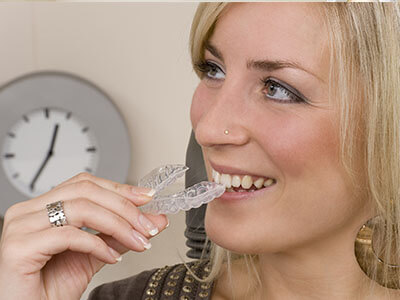
Invisalign® is a clear aligner system that uses a series of custom-made, removable trays to guide teeth into healthier positions. Unlike traditional braces that use brackets and wires, aligners are nearly invisible and can be removed for eating, brushing and flossing. This design often makes daily life easier while orthodontic movement occurs.
The treatment relies on digital planning and sequential aligners to produce gradual, controlled tooth movement. Each aligner represents a planned step in the overall prescription, so progress is deliberate and predictable. Patients typically appreciate the combination of clinical control and everyday convenience.
Treatment begins with a comprehensive evaluation and a high-resolution dental scan or impressions to create a precise 3-D model of your teeth. Clinicians develop a step-by-step plan that simulates each phase of movement and then manufacture the corresponding series of aligners. Wearing each aligner for the prescribed period shifts teeth toward the planned position.
Regular check-ins with your provider allow the team to monitor tracking and make refinements when necessary. Attachments or elastic auxiliaries can be incorporated into the plan to increase control for specific movements. Because the entire course is visible in the digital plan, clinicians can optimize timing and outcomes before fabrication begins.
Many teenagers and adults who have mild to moderate spacing, crowding or bite concerns are good candidates for clear-aligner therapy. A thorough exam evaluates tooth alignment, gum health and jaw relationships to determine whether aligners are the best option. Patients must also be committed to wearing aligners for the recommended daily hours to achieve predictable results.
Complex cases can sometimes be treated with Invisalign® when combined with attachments, elastics or staged approaches, but not every situation is suited for aligners alone. Your clinician will review alternatives if fixed appliances or additional therapies are more appropriate. The goal is a plan that balances efficiency with long-term oral health and function.
Length of treatment varies based on the complexity of the case and patient compliance, with many patients completing active alignment in several months to a couple of years. The digital plan provides an estimated timeline along with the number of aligner stages needed to reach the desired result. Sticking to prescribed wear time and attending scheduled reviews helps keep treatment on track.
Clinicians often build in planned monitoring and potential refinements, so patients should expect periodic assessments to ensure teeth are tracking as predicted. If refinements are required, a short course of additional aligners is typically produced to complete fine adjustments. Clear communication about milestones helps patients understand progress toward the final outcome.
During the first visit a clinician evaluates your smile, bite and gum health and discusses both functional and cosmetic goals to determine a suitable treatment path. A digital scan or precise impressions create a 3-D model that is used to simulate expected tooth movements and show a preview of potential results. This upfront visualization helps set realistic expectations and informs the clinical plan.
At Corona Family Dental the team reviews the proposed timeline, explains wear-time requirements and answers questions about hygiene and daily care. You will also learn whether attachments or elastics might be recommended and how follow-up visits will be scheduled. Clear instructions at this stage support reliable tracking and a smoother treatment experience.
Caring for aligners and teeth is straightforward but important: remove aligners for eating, rinse them regularly and clean them with a soft brush and recommended cleanser. Maintain your normal brushing and flossing routine after meals before replacing aligners to reduce the risk of decay and gum problems. Good oral hygiene supports comfort and the long-term success of treatment.
Avoid exposing aligners to hot water or harsh chemicals, which can warp or discolor the trays. Keep aligners in their case when not in use to prevent loss or damage, and bring them to appointments so your clinician can evaluate fit and wear. Consistent daily habits and proper care reduce interruptions and help teeth track as planned.
Invisalign® can address a wide range of issues, including spacing, crowding and many types of bite misalignments when planned appropriately. For more complex movements, clinicians may use attachments, elastics or staged strategies to expand what aligners can accomplish. The decision to use aligners for a complex case depends on the specific goals, skeletal considerations and overall treatment plan.
A careful diagnostic workup helps determine whether aligners alone are sufficient or if they should be combined with other orthodontic or restorative procedures. When additional measures are needed, the plan focuses on achieving a stable, functional bite that supports long-term dental health. Collaboration between the patient and clinician ensures the chosen approach aligns with both aesthetic and functional priorities.
Aligners are trimmed and contoured to the gumline for comfort and are intended to seat snugly over the teeth to deliver gentle forces. At the initial fitting the clinician confirms fit and demonstrates how to insert, remove and care for the trays. Proper seating and patient adherence to wear-time are essential for predictable progress.
Attachments are small, tooth-colored composite bumps bonded to specific teeth to give the aligner a better grip for rotations or translations. They are planned digitally and placed only where needed to improve control over difficult movements. Attachments are discreet and typically blend with the natural tooth color while significantly enhancing treatment effectiveness.
When active tooth movement is finished your clinician will discuss retention strategies to preserve alignment, commonly with a retainer that may be clear or fixed depending on the case. Retention is a critical phase because teeth can shift over time without consistent support. The recommended retainer wear schedule will be tailored to the stability needs of your result.
Follow-up visits allow the team to evaluate retention and make adjustments if small movements occur. Maintaining good oral hygiene and routine dental care supports the longevity of the outcome, and periodic monitoring helps ensure your smile remains healthy and aligned for years to come. Clear planning for retention is an important part of a successful treatment journey.
Our clinicians combine modern digital tools, thoughtful planning and patient-centered care to design aligner treatments that support both functional health and cosmetic goals. The practice emphasizes clear communication, visible treatment previews and ongoing monitoring to help patients understand each step of their plan. This approach helps deliver consistent, predictable outcomes while keeping patients informed and engaged.
Choosing a provider who integrates high-resolution imaging, a detailed diagnostic process and careful follow-up can make a meaningful difference in treatment efficiency and comfort. At Corona Family Dental we prioritize individualized plans and professional oversight to help patients achieve stable, long-lasting results. If you have questions about whether aligner therapy is the right choice, the team will review your case and outline appropriate options.
Quick Links
Locations